Equine Physiotherapy
Restoring mobility, function and quality of life for horses
How do I know if my horse needs Physiotherapy Treatment?
Horses may show very subtle or obvious signs of discomfort. This can be through changes within their behaviours on the ground and/or in ridden work. Horses are able to compensate for injuries and discomfort well, so loss of performance or subtle changes in their behaviours can indicate there is some musculoskeletal discomfort.
Due to the wide variety of disciplines that horses participate in, different muscle groups are being used, which can result in tension and soreness. Physiotherapy is not just for performance and injured horses – every horse can benefit from physiotherapy as tension can arise from everyday function as well as improving health of tissues to prevent injury and improve quality of life.
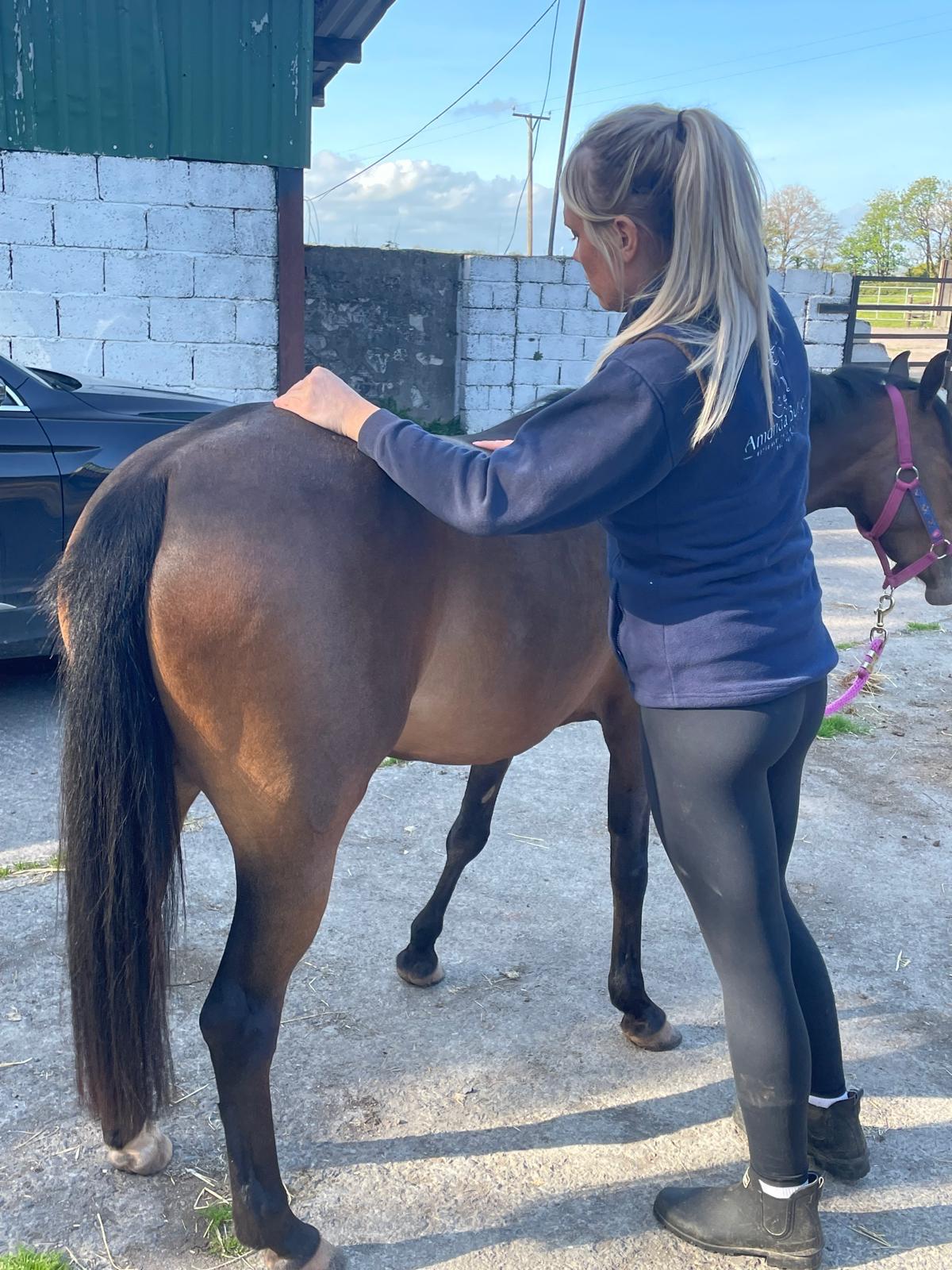
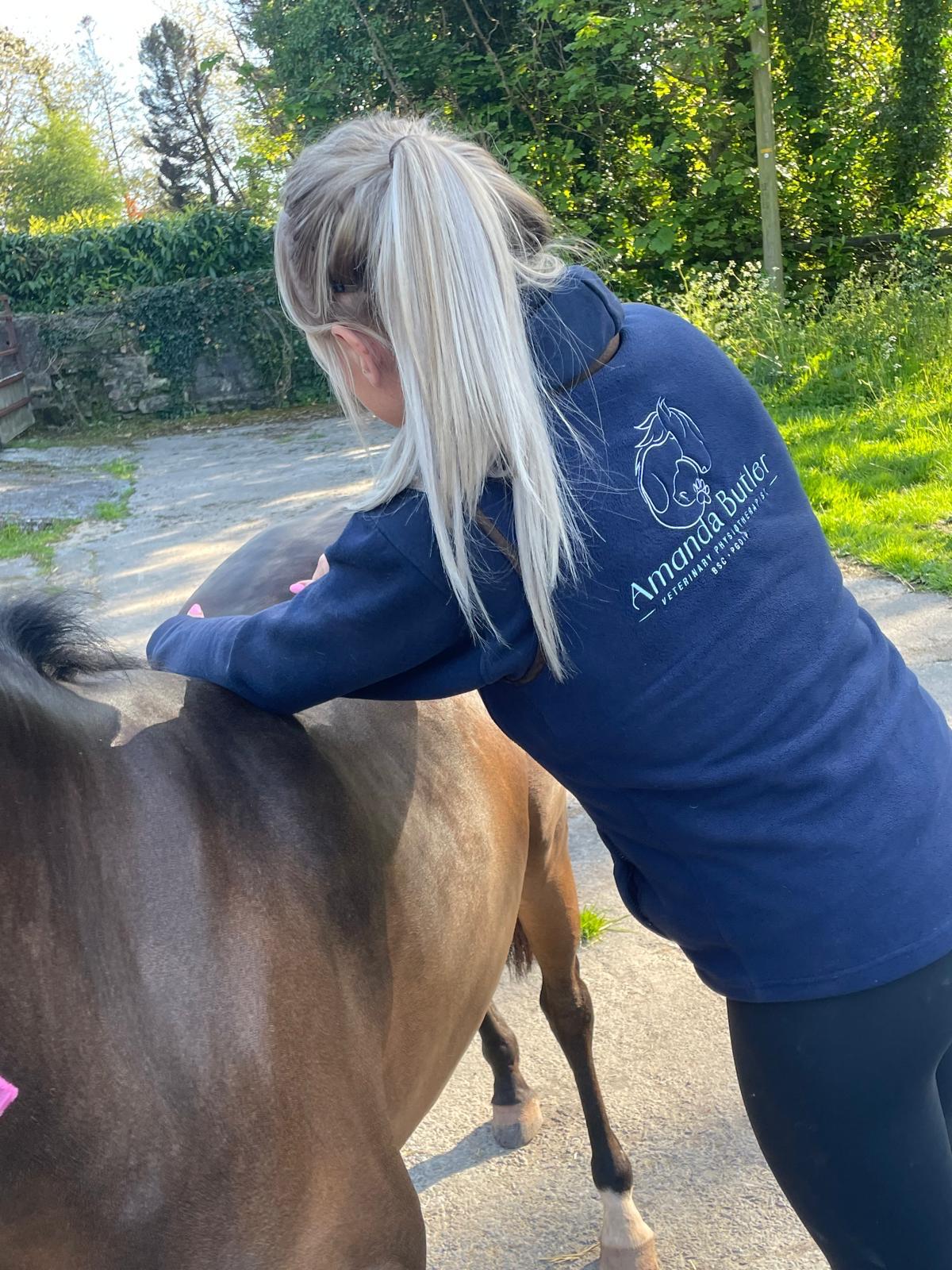
Physiotherapy works with manual therapies to reduce pain, mobilise joints, improve muscular strength and muscle condition. As well as treatment for specific conditions and injuries, to rehabilitate and speed up recovery time.
Signs Your Horse May Need Physiotherapy
- Loss of performance
- Behavioural changes
- Stiffness or reluctance to work
- Uneven muscle development
- Post-injury or surgery recovery
- Elderly horse maintenance
Common Conditions Treated
Physiotherapy can benefit horses with a wide range of musculoskeletal conditions
Soft Tissue Injuries
- Tendon/ligament injuries
- Muscle tears
- Muscular asymmetries
- Tying up
- Scar tissue
Joint & Bone Conditions
- Osteoarthritis
- Kissing spines
- Locking stifles
- Navicular syndrome
- Bone/bog spavin
Other Conditions
- Laminitis
- Ringbone
- Splints
- Fractures
- Bucked shins
Wound Management
- Infected wounds
- Proud flesh
- Haematoma
- Post-surgical wounds
Pre/Post Operative
- Preoperative treatment
- Postoperative rehabilitation
- Surgical recovery support
General Care
- Elderly horse maintenance
- Performance horse care
- Obesity management
- Preventative care
What is Included in an Equine Physiotherapy Session?
Initial Consultation Includes
- Detailed subjective assessment discussing your horse's background and lifestyle
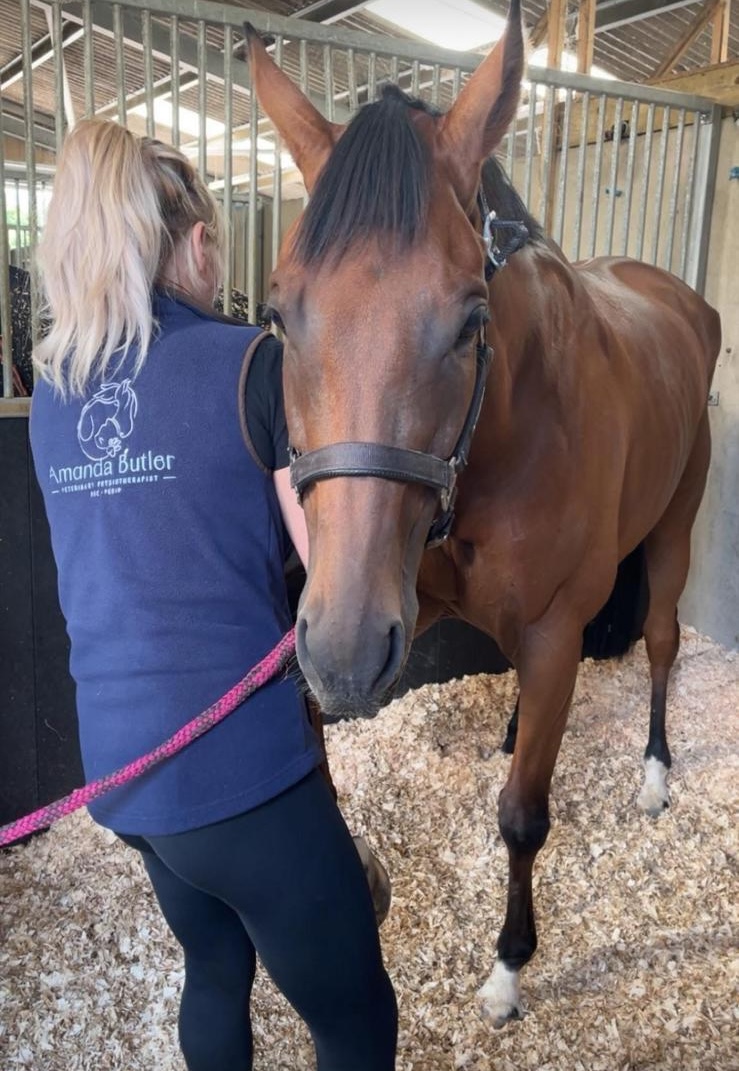
- Thorough objective assessment analysing conformation, posture, health and behaviour
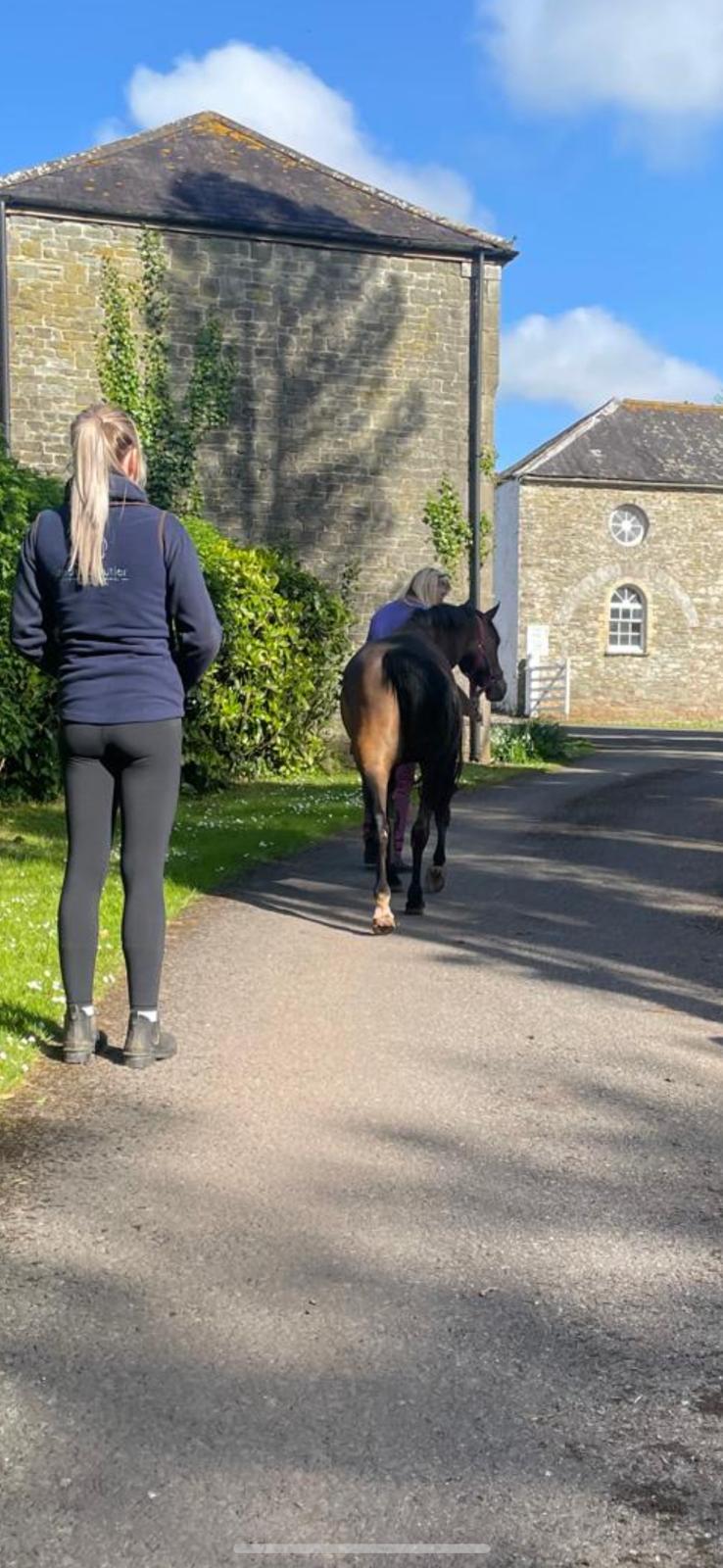
- Static and dynamic assessment
- Gait analysis and movement patterns
- Palpation and tissue state evaluation
- Range of motion testing
Treatment May Include
- Clinical massage techniques
- Myofascial release
- Joint mobilisations
- Therapeutic stretching
- Electrotherapy (TENS, NMES, Therapeutic Ultrasound, Laser)
- Pulse magnetic field therapy
Exercise Prescription Programme
After treatment, an exercise plan for you to complete will be discussed and demonstrated, to help keep the tissues mobilised and improve restrictions. This may include:
- Stretching exercises
- Pole work
- Proprioceptive exercises
- Groundwork exercises
- Ridden work modifications
- Turnout recommendations
- Management advice
- Progressive rehabilitation
Written Report
At the end of the consultation, a full written report will be given to you and sent to your veterinarian. Follow-up consultation timing will be discussed and is different for each individual case. Depending on the treatment given, a period of 24-48 hours of rest may be advised.
Equine Physiotherapy Pricing
*Discounted rate for block bookings/multiple horses at same yard*
Travel fees may apply - see full pricing information
Equine Patients
Interested in Equine Physiotherapy?
Get in touch to discuss how physiotherapy can help your horse.
Veterinary referral is required prior to physiotherapy treatment