Canine & Feline Physiotherapy
Restoring mobility, function and quality of life for dogs and cats
How do I know if my dog or cat needs Physiotherapy Treatment?
Companion, working, or athlete dogs and cats can all suffer from musculoskeletal discomfort or conditions. This can be due to genetics and environmental factors. Physiotherapy aims to enhance recovery from injury or surgery, or improve function, performance, and quality of life. It is especially useful to provide maintenance for degenerative diseases and neurological disorders.
Physiotherapy works with manual techniques, electrotherapies, and exercise prescription to reduce pain, mobilise joints, and improve muscular strength and condition.
Whether your pet is recovering from surgery, dealing with chronic pain, managing arthritis, or just needs to stay in top condition, veterinary physiotherapy offers a safe and effective way to enhance their quality of life.
Signs Your Pet May Need Physiotherapy
- Limping or lameness
- Stiffness, especially after rest
- Reluctance to jump, climb stairs, or exercise
- Muscle wasting or asymmetry
- Post-surgery recovery
- Elderly pet maintenance
- Behavioural changes due to pain
Common Conditions Treated
Physiotherapy can benefit dogs and cats with a wide range of conditions
Orthopaedic Conditions
- Cranial Cruciate Ligament Injury
- Patella Luxation
- Hip Dysplasia
- Elbow Dysplasia
- Osteoarthritis
- Hip Replacement Surgery
- Fracture Repair
Neurological Conditions
- Intervertebral disc disease (IVDD)
- Congenital degenerative myelopathy (CDRM)
- Cervical spondylomyelopathy (CSM)
- Fibrocartilaginous embolic myelopathy (FCEM)
- Lumbar stenosis
- Nerve damage
- Spinal pain
Soft Tissue Injuries
- Tendon/ligament injuries
- Muscle tears
- Muscular asymmetries
- Muscle atrophy
- Scar tissue
Pre/Post Operative
- Preoperative treatment
- Postoperative treatment
- Surgical recovery support
- Amputees
General Care
- Elderly dogs and cats
- Obesity management
- Reduced performance
- Working dog maintenance
- Preventative care
Wound Management
- Infected wounds
- Post-surgical wounds
- Scar tissue management
What is Included in a Canine/Feline Physiotherapy Session?
Initial Consultation Includes
- Detailed subjective assessment discussing your pet's background and lifestyle
- Thorough objective assessment analysing conformation, posture, health and behaviour
- Balance and proprioception testing
- Movement patterns and gait analysis
- Mobility assessment
- Tissue state evaluation through palpation
Treatment May Include
- Clinical massage techniques
- Myofascial release
- Joint mobilisations
- Therapeutic stretching
- Compression therapy
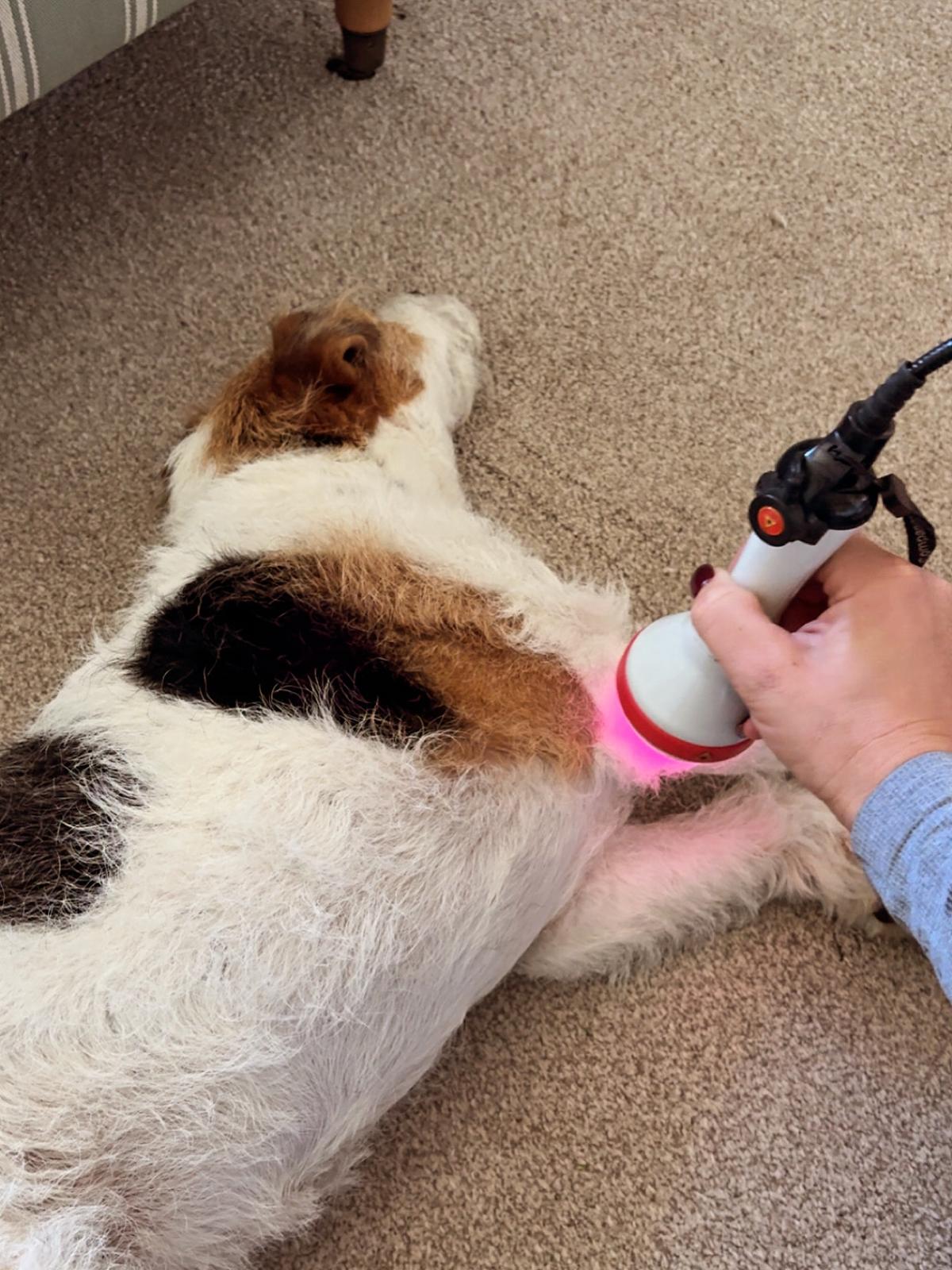
- Electrotherapy (TENS, NMES, Therapeutic Ultrasound, Laser)
Exercise Prescription Programme
After treatment, an exercise plan for you to complete at home will be discussed and demonstrated, including:
- Stretching exercises
- Isometric exercises
- Gait retraining
- Cavaletti pole work
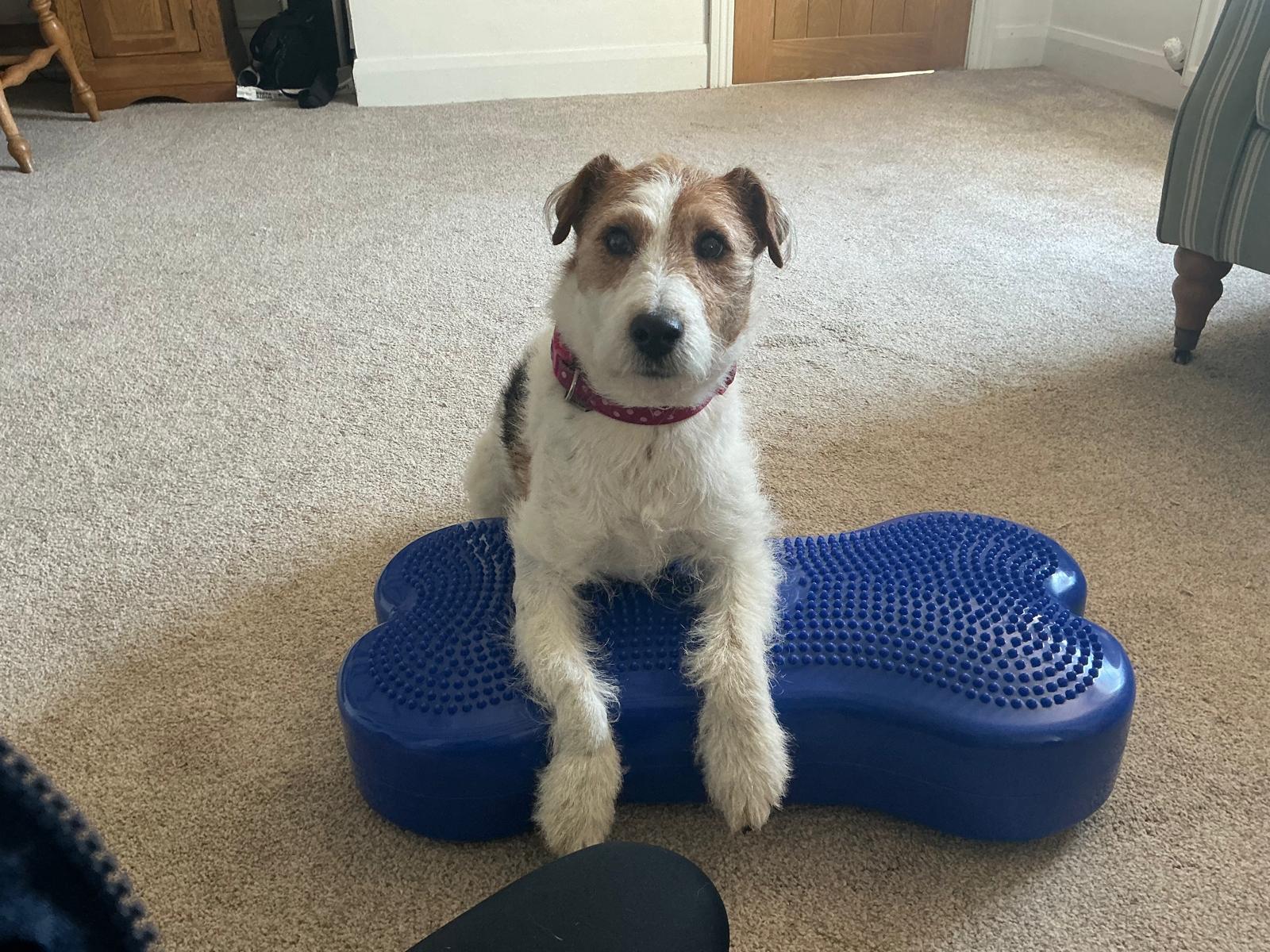
- Proprioceptive exercises
- Home exercises
- Enrichment activities
- Changes to home environment
Written Report
At the end of the consultation, a full written report will be given to you and sent to your veterinarian. Follow-up consultation timing will be discussed and is different for each individual case. Depending on the treatment given, a period of 48 hours of rest may be advised.
Canine & Feline Physiotherapy Pricing
*Discounted rate for block bookings/more than one animal at the same address*
Travel fees may apply - see full pricing information
Canine & Feline Patients


Interested in Canine or Feline Physiotherapy?
Get in touch to discuss how physiotherapy can help your pet.
Veterinary referral is required prior to physiotherapy treatment